In modern manufacturing, the importance of a well-thought-out fastening strategy cannot be overstated. Every bolt, screw, and fastener plays a crucial role in ensuring product quality, safety, and efficiency. Companies that neglect fastening optimization risk costly delays, assembly errors, and even product recalls. At Northland Fastening Systems, we understand that the right fastening solutions are essential to keeping your manufacturing operations smooth and reliable.
Understanding the Role of Fastening in Manufacturing
Fasteners are more than just small components—they are the backbone of assembly and structural integrity. Choosing the wrong fastener or using an improper fastening technique can lead to:
- Product defects: Poor fastening may compromise durability or safety.
- Increased production costs: Rework and repairs waste both time and resources.
- Safety risks: In critical applications, improper fastening can lead to accidents.
A strategic approach to fastening ensures your products meet quality standards and your assembly lines operate efficiently.
Key Factors in Modern Fastening Strategy
A modern fastening strategy involves more than just picking screws or bolts. Here are some key considerations:
Selecting the Right Fastener Material
- Corrosion resistance: For industries exposed to moisture or chemicals, stainless steel or coated fasteners are essential.
- Strength requirements: High-stress applications need fasteners with the correct tensile strength.
- Compatibility: Ensure fastener materials are compatible with other components to avoid galvanic corrosion.
Stud Welding Machine Rental Guide for Contractors and Engineers
Choosing the Proper Fastening Method
- Torque control: Proper torque ensures joint integrity and prevents over-tightening or loosening.
- Thread type and design: Self-tapping, machine screws, or rivets must be chosen based on the application.
- Automation compatibility: Modern production lines often require fasteners that work seamlessly with automated assembly tools.
Standardization Across Production Lines
Standardizing fasteners across products helps:
- Reduce inventory complexity
- Simplify assembly training
- Ensure consistent quality
Considering Sustainability and Efficiency
- Eco-friendly fasteners and optimized assembly processes can reduce waste.
- Lightweight fasteners may improve product efficiency without compromising strength.
Strategic sourcing ensures cost-effective procurement without sacrificing quality.
Benefits of a Strong Fastening Strategy
Implementing a robust fastening strategy delivers measurable benefits:
- Reduced downtime: Fewer assembly issues mean faster production cycles.
- Improved product reliability: Proper fastening enhances product durability.
- Cost savings: Minimized rework and material waste improve your bottom line.
- Enhanced safety: Secure fastening reduces the risk of product failure.
At Northland Fastening Systems, we provide comprehensive fastening solutions designed to meet the specific needs of modern manufacturing. Our expertise in polarity and current for weld fastening systems helps businesses optimize assembly lines, ensure consistent weld quality, and improve overall efficiency.
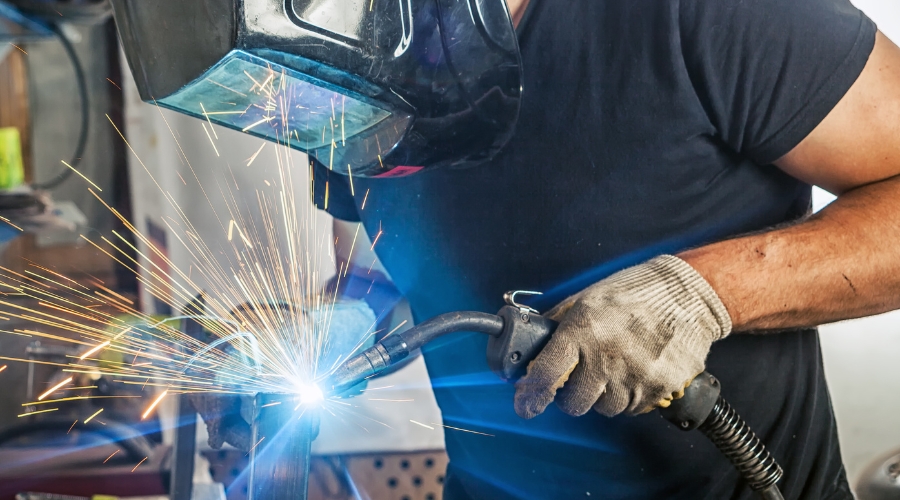
In modern manufacturing, fastening strategy plays a vital role in product performance, safety, cost efficiency, and long-term reliability. Choosing the right fasteners helps prevent failures, reduce downtime, and support scalable production. A well-planned approach ensures quality, compliance, and consistency, while platforms like Facebook allow manufacturers to showcase expertise and innovations, strengthening credibility in a competitive market.
FAQs About Fastening Strategy
Q1: Why is a fastening strategy crucial for manufacturing?
A well-planned fastening strategy ensures product quality, reduces assembly errors, and enhances operational efficiency, ultimately saving time and costs.
Q2: How do I choose the right fastener for my product?
Consider factors like material, strength requirements, environmental exposure, and compatibility with other components. Our team at Northland Fastening Systems can guide you in selecting the ideal fasteners.
Q3: Can fasteners impact product safety?
Absolutely. Improper fastening can lead to structural failures, recalls, and safety hazards. Using high-quality fasteners and proper techniques is essential.
Q4: What role does automation play in fastening?
Automation requires fasteners that are compatible with machines, robots, and torque tools. Strategic selection improves speed, accuracy, and consistency on the production line.
Q5: How can I optimize costs while maintaining quality?
Standardizing fasteners, choosing the right materials, and implementing a proper fastening strategy reduces waste and lowers overall production costs without compromising quality.
Partner With Northland Fastening Systems
A strong fastening strategy is a cornerstone of successful modern manufacturing. By leveraging expert guidance, quality products, and innovative solutions, manufacturers can enhance efficiency, improve safety, and reduce costs. Contact Northland Fastening Systems today to optimize your fastening solutions: Call now 651-730-7770