Welding plays a critical role in construction, manufacturing, automotive repair, and industrial fabrication. Whether someone works in a professional shop or maintains a small home workshop, having the right tools and materials makes a noticeable difference in safety, productivity, and final weld quality.
Many welders start by searching for welding shops near me or a reliable welder near me to get equipment or assistance. While professional shops provide services and expertise, every welder benefits from understanding the equipment that supports consistent and durable welds.
This guide explains the essential tools and materials used in everyday welding work. From core equipment to smaller items such as Welding Accessories and Weld Pins, these components help maintain efficiency and accuracy in metal fabrication tasks.
Understanding the Role of Welding Equipment
Successful welding relies on more than a welding machine. A complete setup includes safety gear, preparation tools, and fastening components that ensure the weld remains strong and secure over time.
Professionals working in fabrication plants or repair facilities often build their workstations around reliable welding supply sources. The right materials reduce downtime and help welders maintain consistent results across different projects.
For example, welders in structural steel fabrication often rely on specialized pins, fasteners, and insulation anchors. These components allow materials to remain firmly attached in environments where heat and stress are common.
Reliable equipment also supports quality control. When tools are properly maintained and selected for the task, welders reduce the risk of cracks, incomplete penetration, or weak joints.
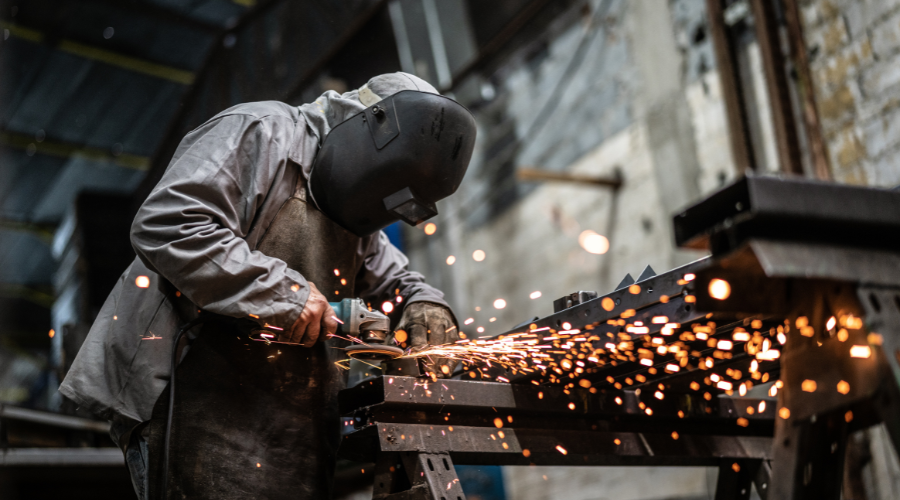
Welding Machines and Power Sources
The welding machine forms the core of any welding setup. Machines vary depending on the welding method used in a project.
Common welding processes include MIG welding, TIG welding, and stick welding. Each method uses different equipment and produces different weld characteristics.
MIG welding machines are widely used for fabrication and automotive work because they offer fast welding speeds and easier learning curves. TIG welding equipment is preferred when precision and clean welds are required, especially for stainless steel and aluminum.
Stick welding remains common in construction and outdoor applications because it performs well in windy or rough environments.
Selecting a machine depends on material thickness, type of metal, and the environment where the welding takes place.
Essential Welding Accessories
Small components often make a major difference in welding performance. Welding Accessories support the main equipment and improve workflow in both small workshops and large fabrication plants.
These accessories help maintain accuracy and reduce preparation time when setting up metal components before welding begins.
Examples of common accessories include:
- Welding clamps and magnets
- Chipping hammers and wire brushes
- Ground clamps and cables
- Protective welding helmets
- Heat-resistant gloves
- Angle grinders for surface preparation
Each accessory serves a practical purpose. For example, clamps keep metal pieces aligned while grinding tools prepare clean surfaces that allow stronger weld penetration.
Experienced welders rely on these accessories daily to maintain both speed and precision in their work.
Everything You Need to Know About Arc Welding: A Comprehensive Guide
The Importance of Weld Pins in Industrial Welding
Weld Pins are fastening components used in insulation systems, sheet metal work, and industrial fabrication. These pins attach materials securely to metal surfaces using specialized welding equipment.
They are commonly used in HVAC insulation systems, shipbuilding, and industrial machinery. When properly installed, weld pins hold insulation or panels firmly in place even in high-temperature environments.
Different types of weld pins exist depending on the application. Capacitor discharge weld pins, insulation pins, and threaded weld studs each provide unique installation methods.
In many facilities, weld pins reduce installation time compared to traditional fastening techniques. Their ability to attach quickly and securely makes them valuable in manufacturing environments where efficiency matters.
Suppliers such as Northland Fastening Systems provide fastening components designed for insulation and metal fastening applications used across multiple industries.
Safety Equipment Every Welder Needs
Welding creates intense heat, bright arcs, and airborne particles. Safety equipment protects welders from burns, eye damage, and respiratory hazards.
Protective helmets with proper shade lenses shield the eyes from arc flashes and ultraviolet radiation. Gloves and flame-resistant jackets protect skin from sparks and molten metal.
Respiratory protection is also important when welding in enclosed areas. Metal fumes and gases can build up in poorly ventilated spaces.
A safe welding setup includes proper ventilation, protective clothing, and fire-resistant barriers around the work area. These steps reduce workplace hazards and help welders maintain a safe working environment.
Preparing Materials Before Welding
Metal preparation plays a major role in the strength of a weld. Dirty or coated surfaces prevent proper fusion between metal pieces.
Preparation typically includes grinding away rust, paint, and oil from the metal surface. Clean metal allows the welding arc to penetrate evenly and create a stronger bond.
Proper fit-up between parts also matters. When metal components align correctly, welders can maintain consistent bead placement and avoid weak joints.
Preparation tools such as grinders and wire brushes help remove contaminants and improve weld consistency.
How Welding Supply Quality Affects Weld Performance
Material quality directly influences the durability of welded joints. Electrodes, wires, shielding gases, and fasteners must meet industry standards to perform correctly.
When welders purchase equipment from trusted welding supply providers, they reduce the risk of inconsistent materials that could lead to weld defects.
Quality supplies improve arc stability, reduce spatter, and help maintain consistent weld penetration. These factors are important in industries where welded structures must withstand heavy loads or extreme temperatures.
Reliable suppliers also provide technical guidance that helps welders choose the correct materials for each project.
Finding Welding Equipment and Support Locally
Many professionals rely on local suppliers when purchasing equipment or replacement components. Searching online for welding shops near me often leads to distributors that carry welding tools, safety equipment, and fasteners.
Local suppliers provide advantages such as faster product availability and direct technical support. When equipment fails during a project, quick access to replacement parts helps minimize downtime.
Fabricators sometimes also search for a welder near me when specialized welding services are required. Professional welders can assist with structural repairs, custom fabrication, or installation work.
Working with knowledgeable suppliers and technicians helps ensure welding tasks are completed safely and efficiently.
Maintaining Welding Equipment
Regular maintenance keeps welding equipment functioning correctly and extends its lifespan.
Machines should be inspected periodically for loose cables, damaged connectors, or worn components. Cleaning dust and debris from cooling systems prevents overheating.
Electrode holders, torches, and ground clamps also require routine inspection. Damaged components can affect electrical flow and reduce weld quality.
Workshops that maintain equipment regularly often experience fewer interruptions during production. Preventive maintenance helps welders focus on their work instead of troubleshooting equipment problems.
Why Reliable Suppliers Matter
Suppliers who specialize in welding equipment and fastening systems provide more than products. They offer guidance on selecting materials suited to specific industrial needs.
Companies such as Northland Fastening Systems support industries that depend on consistent fastening performance. Their products are commonly used in insulation fastening, metal fabrication, and industrial construction.
Experienced suppliers understand the environments where their products are used. That knowledge helps welders choose materials capable of handling high heat, vibration, or heavy mechanical loads.
Working with knowledgeable suppliers ensures welders receive equipment that performs reliably in demanding conditions.
Get Expert Help With Welding Fastening Systems
Selecting the correct fasteners and welding components can affect installation time, project durability, and overall efficiency.
Professionals who work with insulation systems or industrial metal panels often require specialized fastening solutions such as weld pins and insulation anchors.
If your project requires guidance on fastening systems or industrial welding components, the team at Northland Fastening Systems can help evaluate the best options for your application.
You can contact the team directly or request product information through the website to learn more about fastening solutions designed for industrial use.Phone: 651-730-7770
FAQs
Q1. What are the most important tools in a welding setup?
A welding machine, protective helmet, gloves, clamps, grinders, and grounding cables are among the most important tools used in daily welding work.
Q2. What are weld pins used for?
Weld pins attach insulation, sheet metal, and other materials to metal surfaces. They are commonly used in HVAC systems, shipbuilding, and industrial equipment.
Q3. Where can I find welding equipment locally?
Many professionals search online for welding shops near me to locate local distributors that sell welding tools, accessories, and industrial fasteners.
Q4. How often should welding equipment be maintained?
Equipment should be inspected regularly for worn cables, damaged connectors, and cooling system blockages. Preventive maintenance helps maintain weld quality and equipment reliability.