Drawn arc stud welding is a widely used fastening process in construction, manufacturing, and industrial fabrication. It provides a strong, permanent bond between metal surfaces without the need for drilling or additional hardware. As industries continue to demand efficiency and durability, Stud Welding remains a preferred method due to its speed, strength, and reliability.
This guide explains how drawn arc stud welding works, its practical applications, and how businesses can improve performance with the right equipment and techniques.
What Is Drawn Arc Stud Welding?
Drawn arc stud welding is a process where a metal stud is welded to a base material using an electric arc. The stud is placed against the surface, lifted slightly to create an arc, and then fused into the molten pool before solidifying.
Unlike other fastening methods, this technique creates a full cross-sectional weld, making it stronger than traditional welding or mechanical fastening.
It is commonly used with welding studs, including threaded fasteners, anchors, and specialized components designed for structural integrity.
How the Process Works
The process follows a precise sequence:
- The stud is positioned using a stud gun
- An electric arc melts both the stud and base material
- A ceramic ferrule or shielding gas contains the molten pool
- The stud is pressed into place and solidifies quickly
This controlled method ensures consistent results across various applications, including arc stud welding in heavy-duty environments.
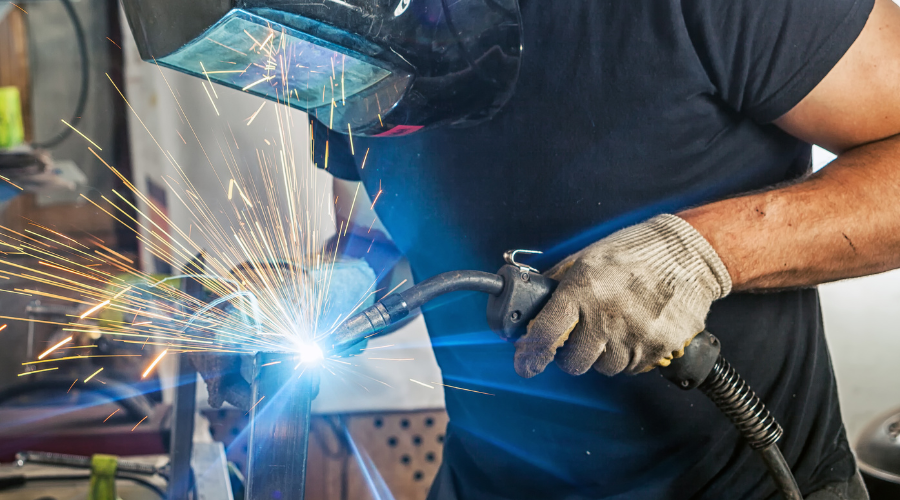
Applications of Drawn Arc Stud Welding
Drawn arc Steel frameworks rely on stud welding for attaching shear connectors, ensuring stability in bridges, buildings, and infrastructure projects.
Shipbuilding and Marine
Marine environments require durable fastening methods that withstand corrosion and stress. Stud welding provides a reliable solution for attaching components to ship hulls.
Automotive and Manufacturing
Manufacturers use this method for attaching components without damaging finished surfaces, improving products speed and consistency.
Energy and Utilities
Power plants and utility systems use welded studs for insulation, panels, and structural components where durability is critical.
Benefits of Drawn Arc Stud Welding
Drawn arc stud welding offers several advantages that make it a preferred solution:
- Strong, full-fusion welds
- Faster installation compared to traditional fastening
- Reduced need for drilling or rework
- Clean finish on the opposite side of the material
- Suitable for thick materials and heavy-duty applications
These benefits make Stud Welding an efficient choice for projects that require both speed and structural integrity.
Working with Different Materials
Carbon Steel and Stainless Steel
These are the most common materials used in stud welding due to their compatibility and strength.
Aluminum Applications
Aluminum stud welding requires precise control due to its lower melting point and higher thermal conductivity. Specialized equipment and techniques ensure proper fusion without defects.
Types of Studs Used
The process supports a wide range of fasteners, including:
- Threaded studs
- Shear connectors
- Insulation pins
- Deformed bar anchors
A threaded stud welder is often used when precision and repeatability are required for threaded components.
Equipment and Accessories
| Category | Details |
| Overview | Proper equipment plays a critical role in achieving consistent results. |
| Stud Welding Machines | Modern systems offer digital controls, ensuring accuracy in timing, current, and plunge depth. |
| Accessories (Purpose) | Accessories improve efficiency and weld quality. |
| Accessories (Types) | Ceramic ferrules |
| Stud welding guns | |
| Cables and connectors | |
| Positioning tools | |
| Key Benefit | Using the right accessories ensures stable arc formation and reduces defects. |
Automation in Stud Welding
Automation is becoming more common in industrial environments. Automated stud welding systems improve productivity by:
- Reducing manual labor
- Ensuring consistent weld quality
- Increasing production speed
- Minimizing operator error
Automation is especially useful in high-volume manufacturing where precision is critical.
Tips for Better Welding Results
- Surface Preparation:-Ensure the base material is clean and free from contaminants such as oil, rust, or paint.
- Correct Settings:-Adjust current and timing based on material type and stud size.
- Proper Alignment:- Maintain perpendicular alignment between the stud and base material to avoid weak welds.
- Equipment Maintenance:-Regular inspection of equipment and accessories prevents inconsistencies and downtime.
Common Challenges and Solutions
- Incomplete Fusion
Caused by incorrect settings or poor surface preparation. Adjust the parameters and clean the surface properly. - Porosity
Occurs due to contamination or improper shielding. Use quality materials and ensure proper setup. - Stud Misalignment
Happens when positioning is not accurate. Check the positioning tool and handle it correctly during the welding process.
Why Choose Northland Fastening Systems
Northland Fastening Systems provides reliable solutions for stud welding applications across industries. With a focus on quality equipment, technical support, and industry experience, businesses can improve efficiency and achieve consistent results.
Whether working with standard fasteners or specialized welding studs, having the right partner ensures long-term success in demanding environments.
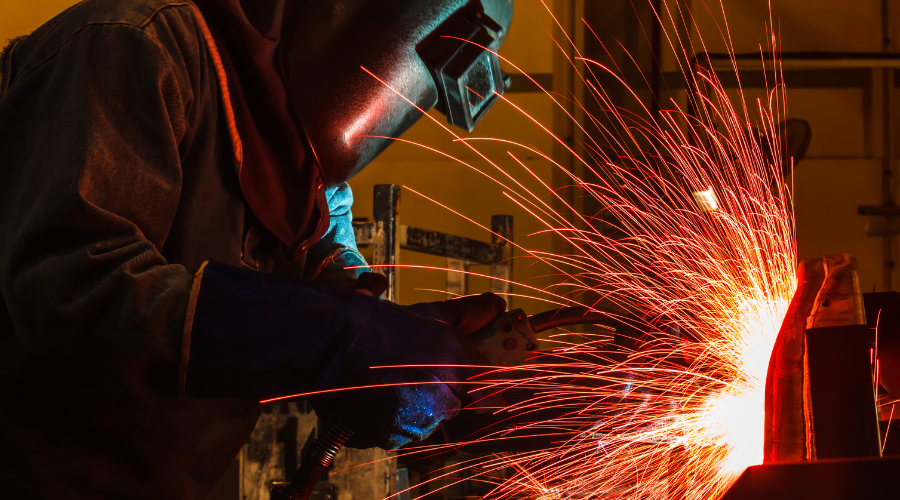
Get Started with the Right Solution
Choosing the right equipment and setup can make a significant difference in performance and durability. If you’re planning to upgrade your process or need guidance on selecting the right system, connect with the team at Northland Fastening Systems to explore available options and find the right fit for your application.
Drawn arc stud welding delivers strong, reliable results across industries. Share insights on Google Business Profile and Facebook to build trust, connect with customers, and highlight your expertise in stud welding solutions.
FAQs
Q1. What is the difference between drawn arc and capacitor discharge stud welding?
Drawn arc welding is suitable for thicker materials and heavy-duty applications, while capacitor discharge is used for thinner materials and smaller studs.
Q2. Can aluminum be used in stud welding?
Yes, aluminum stud welding is possible with the right equipment and settings designed for its properties.
Q3. What are welding studs used for?
Welding studs are used to attach components to metal surfaces without drilling, commonly in construction and manufacturing.
Q4. Is automation necessary for stud welding?
Automation is not required but improves efficiency, consistency, and productivity in high-volume operations.