Manufacturing depends heavily on precision, durability, and efficiency. Industrial fabrication plays a central role in shaping raw materials into usable components across industries such as construction, automotive, and heavy machinery. Whether working with large-scale production or custom projects, understanding the right fabrication techniques directly impacts the final outcome.
Businesses today rely on experienced metal fabricators and advanced tools to meet strict quality requirements. A well-equipped fabrication shop ensures consistent production while reducing waste and downtime. This article explains the most important fabrication methods, how they work, and why they matter in modern manufacturing.
Understanding Industrial Fabrication
Industrial fabrication involves cutting, shaping, and assembling raw materials—primarily metals—into finished products. This process is widely used by fabrication companies to create everything from structural frames to machine components.
The choice of technique depends on several factors, including material type, project size, and required precision. Steel for fabrication remains one of the most commonly used materials due to its strength and versatility.
Cutting Techniques in Fabrication
Cutting is often the first stage in fabrication. It defines the shape and size of the final product.
Laser Cutting
Laser cutting uses focused beams of light to slice through metal with extreme precision. It is ideal for complex designs and thin materials.
Plasma Cutting
Plasma cutting is commonly used for thicker metals. It uses electrically conductive gas to create high-temperature plasma, making it suitable for fabrication steel operations.
Waterjet Cutting
Waterjet cutting uses high-pressure water mixed with abrasives. It is useful when heat-sensitive materials need to be processed without distortion.
These cutting methods are widely adopted by industrial fabrication services inc providers to ensure accuracy and reduce material waste.
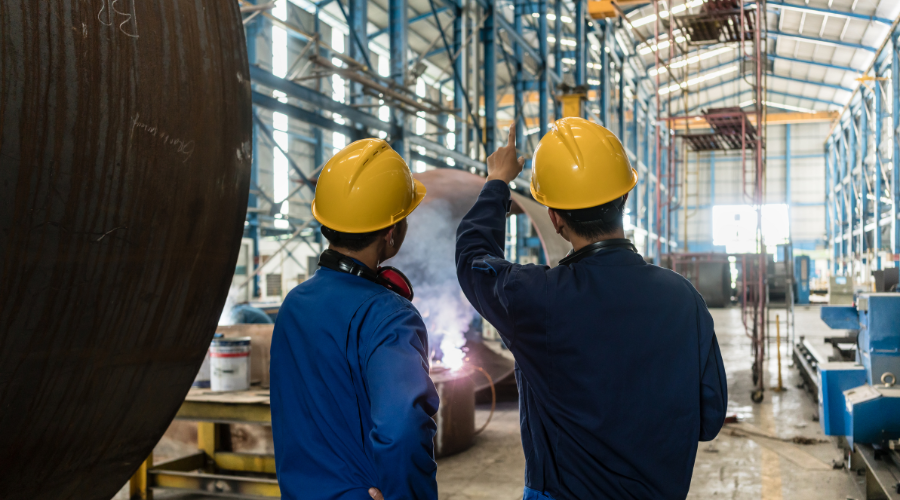
Welding Techniques
Welding is a critical step in joining metal parts together. It ensures strength and durability in the final product.
| Welding Type | Description | Best Use Case |
| MIG Welding (Metal Inert Gas) | Widely used due to its speed and ease of use; suitable for various metals and thicknesses | General fabrication and fast production work |
| TIG Welding (Tungsten Inert Gas) | Provides high precision and cleaner welds; ideal for detailed work | Projects requiring accuracy and fine finishing |
| Stick Welding | Versatile and effective in outdoor environments | Construction, repair work, and heavy-duty applications |
Assembly and Finishing Processes
After welding, components move to assembly and finishing stages.
Assembly
Assembly involves fitting together multiple fabricated parts into a complete structure. This stage requires careful alignment and fastening.
Surface Finishing
Finishing processes improve appearance and durability. Common methods include:
- Powder coating
- Sandblasting
- Polishing
- Painting
These techniques protect materials from corrosion and enhance overall performance.
Role of Modern Technology in Fabrication
Technology has transformed how fabrication shop operations function today. Automation and digital tools improve efficiency and consistency.
CNC Machining
Computer Numerical Control (CNC) machines automate cutting and shaping processes. They ensure precision and repeatability.
Robotics in Welding
Robotic welding systems reduce human error and increase production speed. They are commonly used in large-scale manufacturing.
3D Modeling and Design
Advanced software allows engineers to design and simulate products before production begins. This reduces errors and material waste.
Industrial fabrication continues to evolve as technology advances, helping businesses stay competitive.
Key Benefits of Advanced Fabrication Techniques
Modern fabrication methods offer several advantages for businesses and manufacturers:
- Improved product accuracy and consistency
- Reduced material waste and operational costs
- Faster production timelines
- Enhanced durability and performance
- Ability to handle complex designs
These benefits make it easier for fabrication companies to meet industry demands while maintaining quality standards.
Choosing the Right Fabrication Partner
Selecting the right partner is essential for achieving reliable results. Not all fabrication companies offer the same level of expertise or equipment. When evaluating a provider, consider experience, technology, and the ability to handle your specific requirements. Northland Fastening Systems works closely with clients to ensure projects meet strict quality and performance expectations.
A trusted partner understands the importance of material selection, including steel for fabrication, and uses the right processes to deliver consistent outcomes.
Applications Across Industries
Fabrication techniques are used across multiple sectors:
- Construction: Structural components, beams, and frameworks are produced using advanced fabrication methods.
- Automotive: Precision parts and assemblies are created using automated fabrication systems.
- Energy and Utilities: Fabrication supports pipelines, power plants, and renewable energy systems.
- Manufacturing Equipment: Custom machinery and tools rely on accurate fabrication processes.
- Overall Impact: Industrial fabrication supports these industries by delivering reliable and durable components that meet strict standards.
Future Trends in Fabrication
The future of fabrication is driven by innovation and efficiency. Businesses are focusing on sustainable practices and smarter production methods.
Sustainable Fabrication
Reducing waste and energy consumption is becoming a priority. Many fabrication shop operations are adopting eco-friendly processes.
Smart Manufacturing
Integration of IoT and data analytics allows real-time monitoring and improved decision-making.
Advanced Materials
New materials are being developed to improve strength, weight, and durability.
These trends are shaping the future of industrial fabrication services inc providers and the industry as a whole.
Understanding fabrication techniques is essential for improving product quality and operational efficiency. From cutting and welding to finishing and assembly, each step plays a crucial role in the final outcome.
Businesses that invest in the right processes and partners gain a competitive advantage. Northland Fastening Systems focuses on delivering reliable solutions backed by experience and modern technology.
If you’re planning your next project, take the time to evaluate your requirements and work with experts who understand the complexities of fabrication Phone: 651-730-7770
FAQs
Q1. What is industrial fabrication used for?
Industrial fabrication is used to create metal structures and components for industries such as construction, automotive, and manufacturing.
Q2. What materials are commonly used in fabrication?
Steel, aluminum, and other metals are widely used, with steel for fabrication being the most common due to its strength.
Q3. How do fabrication companies ensure quality?
They use advanced tools, skilled labor, and strict quality control processes throughout production.
Q4. What should I look for in a fabrication shop?
Look for experience, modern equipment, and the ability to handle your specific project requirements efficiently.