In modern fabrication and construction environments, efficiency and consistency are no longer optional—they are expected. Manufacturers and contractors are under constant pressure to deliver strong, reliable fastening solutions while maintaining production timelines and minimizing labor costs. This is where Automatic Stud Welding Machines have reshaped the workflow.
Stud welding has long been a preferred fastening method across industries such as construction, shipbuilding, and automotive manufacturing. With automation, this process becomes faster, more precise, and less dependent on manual skill levels. Businesses like Northland Fastening Systems have played a key role in bringing advanced fastening technologies to industries that demand reliability and performance.
Understanding Stud Welding and Its Evolution
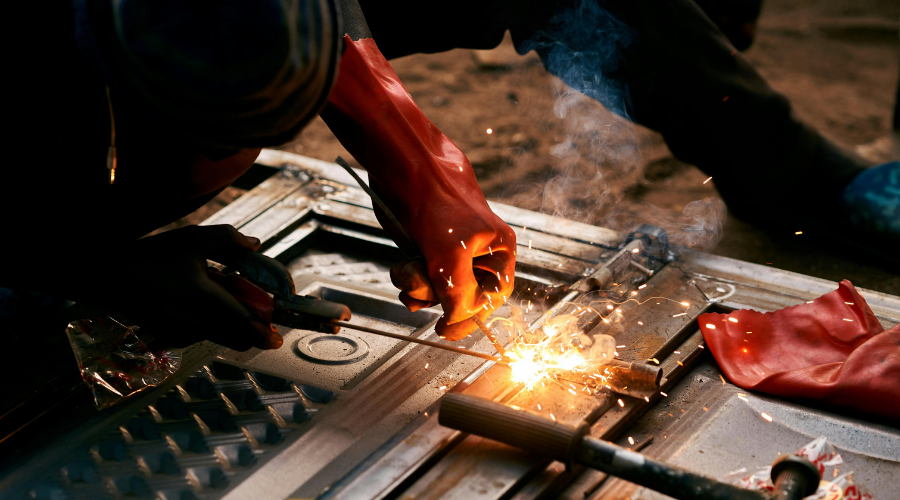
Stud welding is a process that joins a metal fastener (stud) to a base material using heat generated by an electric arc. Unlike traditional fastening methods, this technique eliminates the need for drilling, tapping, or additional hardware. Over time, the process has evolved to include automated systems that significantly reduce human error and increase throughput.
Two widely used variations include arc stud welding and capacitor discharge welding. Among these, arc-based systems are more suitable for heavy-duty applications due to their deeper weld penetration and strength. The introduction of the drawn arc stud welder further enhanced the ability to weld larger diameter studs onto thick materials.
What Are Automatic Stud Welding Machines?
Automatic Stud Welding Machines are advanced systems designed to perform stud welding operations with minimal manual intervention. These machines integrate programmable controls, consistent arc generation, and repeatable positioning to deliver uniform welds at scale.
Unlike manual systems, automated machines reduce variability and ensure that every weld meets the same quality standards. Whether used in assembly lines or fabrication shops, they are essential for high-volume products environments.
How Automation Improves Workflow Efficiency
Consistency in Weld Quality
One of the most significant advantages of automation is consistency. Manual stud welding depends heavily on operator skill, which can vary. Automated systems eliminate this variability by maintaining constant parameters such as arc time, current, and pressure.This results in uniform weld strength, reduced rework, and improved structural integrity.
Faster Production Rates
Speed is a critical factor in industrial operations. Automatic Stud Welding Machines can perform multiple welds in a fraction of the time it takes manually. This increased speed directly translates into higher productivity and reduced project timelines.
Reduced Labor Dependency
Automation reduces reliance on highly skilled welders for repetitive tasks. Operators can oversee multiple machines simultaneously, allowing businesses to optimize workforce allocation.
Enhanced Safety
Stud welding involves high temperatures and electrical currents. Automated systems minimize direct human interaction with the welding process, reducing the risk of workplace injuries.
Applications Across Industries
Automatic stud welding technology is used in a wide range of industries due to its versatility and strength.
Construction Industry
In construction, stud welding is used for attaching shear connectors, insulation pins, and other structural components. Automation ensures that these critical elements are installed correctly and efficiently.
Automotive Manufacturing
Automotive production lines rely heavily on speed and precision. Automated systems are ideal for welding fasteners onto vehicle frames and panels without compromising structural integrity.
Shipbuilding
Shipbuilding requires durable welds that can withstand harsh marine environments. Automated stud welding ensures consistent results across large-scale projects.
Industrial Equipment Manufacturing
Heavy machinery and equipment often require strong fastening solutions. The use of arc welding studs in automated systems ensures durability and long-term performance.
Key Features of Modern Systems
Modern Automatic Stud Welding Machines are equipped with advanced features that enhance usability and performance.
-
Programmable Controls
Operators can set and store welding parameters for different applications, ensuring repeatability across batches.
-
Precision Positioning
Automated systems often include robotic arms or fixtures that ensure accurate stud placement.
-
Material Compatibility
These machines can handle various materials, including steel and aluminum. Specialized systems like an aluminum stud welder are designed to address the unique challenges of welding lightweight materials.
-
Durability and Reliability
Built for industrial use, these machines are designed to operate continuously under demanding conditions.
Benefits of Using Automatic Systems
The shift from manual to automated stud welding brings measurable benefits to businesses.
- Increased production efficiency
- Reduced material waste
- Improved weld quality and consistency
- Lower labor costs
- Enhanced workplace safety
These advantages make automation a practical investment for companies aiming to stay competitive.
Role of Drawn Arc Stud Welder in Automation
The drawn arc stud welder is a key component in many automated systems. It works by creating an arc between the stud and the base material, melting both surfaces before joining them.
This method is particularly effective for thicker materials and larger studs, making it suitable for heavy-duty applications. When integrated into automated systems, it ensures deep penetration and strong welds.
Aluminum Stud Welding and Its Challenges
Welding aluminum presents unique challenges due to its high thermal conductivity and oxide layer. An aluminum stud welder is specifically designed to handle these issues, ensuring proper fusion and strong bonding.
Automation further improves the process by maintaining consistent parameters, which is critical when working with sensitive materials like aluminum.
Impact on Cost Efficiency
While the initial investment in Automatic Stud Welding Machines may be higher than manual systems, the long-term cost savings are significant.
Lower Operational Costs
Reduced labor requirements and faster production cycles lead to lower overall costs.
Minimized Rework
Consistent weld quality reduces the need for repairs and rework, saving both time and materials.
Improved Resource Utilization
Automation ensures optimal use of materials, reducing waste and improving profitability.
Integration with Modern Manufacturing Systems
Automation does not operate in isolation. Modern stud welding systems can be integrated with other manufacturing technologies, including robotics and digital monitoring systems.
This integration allows businesses to track performance, monitor quality, and make data-driven decisions to improve operations.
Choosing the Right Equipment
Selecting the right system depends on several factors, including application requirements, material type, and production volume. Working with experienced providers like Northland Fastening Systems ensures access to reliable equipment and expert guidance.
Automation has improved fastening work. Automatic Stud Welding Machines ensure speed, consistency, and reliable results. Using systems like drawn arc stud welder and aluminum stud welder, businesses can work more efficiently and stay competitive. Google Business Profile and Facebook help businesses build online visibility and connect with more customers.
FAQs
Q1. What is an automatic stud welding machine?
A machine that automatically welds metal studs to surfaces with precision.
Q2. How do automatic stud welding machines improve productivity?
They speed up welding, reduce manual work, and increase output.
Q3. Do automatic stud welding machines improve weld quality?
Yes, they ensure consistent, strong, and defect-free welds.
Q4. Are automatic stud welding machines cost-effective?
Yes, they save time, reduce waste, and lower long-term costs.