Welding technology is evolving rapidly, and AI in stud welding is becoming a key driver of change. From automated systems to intelligent monitoring, modern innovations are transforming how welding tasks are performed across industries.
In today’s competitive environment, businesses are looking for ways to improve accuracy, reduce errors, and increase productivity. This is where AI in stud welding plays a major role, helping manufacturers achieve consistent results with less manual effort.
Whether in construction, automotive, or heavy fabrication, the integration of robotics and smart systems is shaping the future of welding processes.
The Role of AI in Modern Welding
Artificial intelligence is changing how welds are planned and executed. Instead of relying only on manual expertise, AI systems analyze data and adjust parameters in real time.
With AI in stud welding, machines can:
- Detect surface inconsistencies
- Adjust heat and timing automatically
- Reduce defects during production
This level of precision helps improve weld quality and reduces the need for rework. It also ensures better consistency across large-scale projects.
How Robotics is Transforming Welding Operations
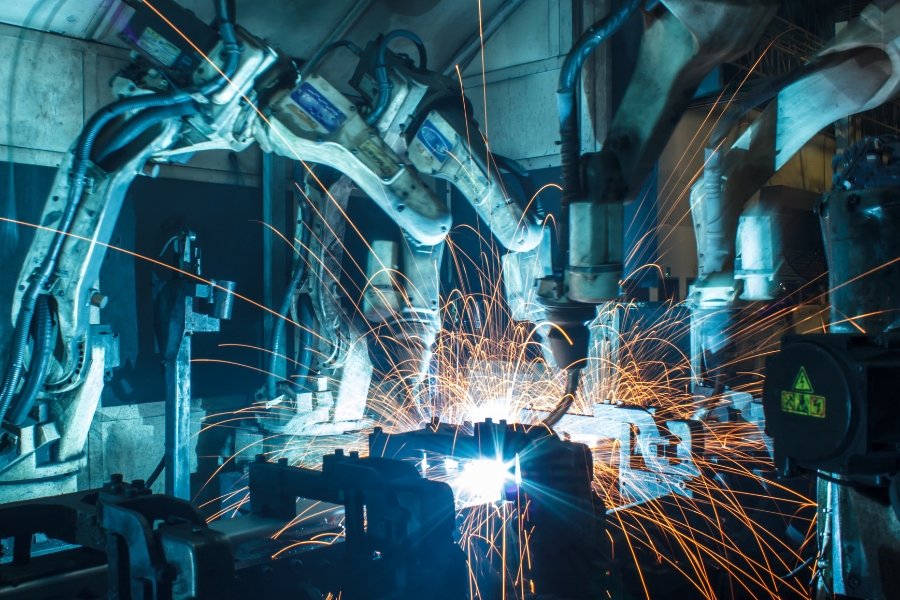
Robotics has already made a strong impact in industrial welding, but its capabilities continue to expand. Robotic arms equipped with advanced sensors can perform repetitive welding tasks with high accuracy.
In the context of AI in stud welding, robotics offers:
- Faster production cycles
- Reduced human error
- Improved workplace safety
By combining robotics with AI, manufacturers can automate complex welding tasks while maintaining high standards of quality.
Benefits of AI and Robotics in Stud Welding
The integration of AI and robotics brings multiple advantages to welding operations. These benefits are not just limited to large industries but also apply to growing workshops.
Key benefits include:
- Improved efficiency and faster turnaround times
- Consistent weld quality across projects
- Lower labor costs and reduced downtime
- Enhanced safety for workers
With AI in stud welding, businesses can optimize workflows and stay competitive in a fast-changing market.
Impact on Workforce and Skills
As automation increases, the role of welders is also evolving. Instead of performing repetitive tasks, professionals are now required to operate and manage advanced systems.
This shift means:
- More focus on technical skills
- Training in automated systems
- Better career opportunities in advanced manufacturing
Rather than replacing workers, AI in stud welding is redefining their roles and improving overall productivity.
Integration with Existing Equipment and Stud welders
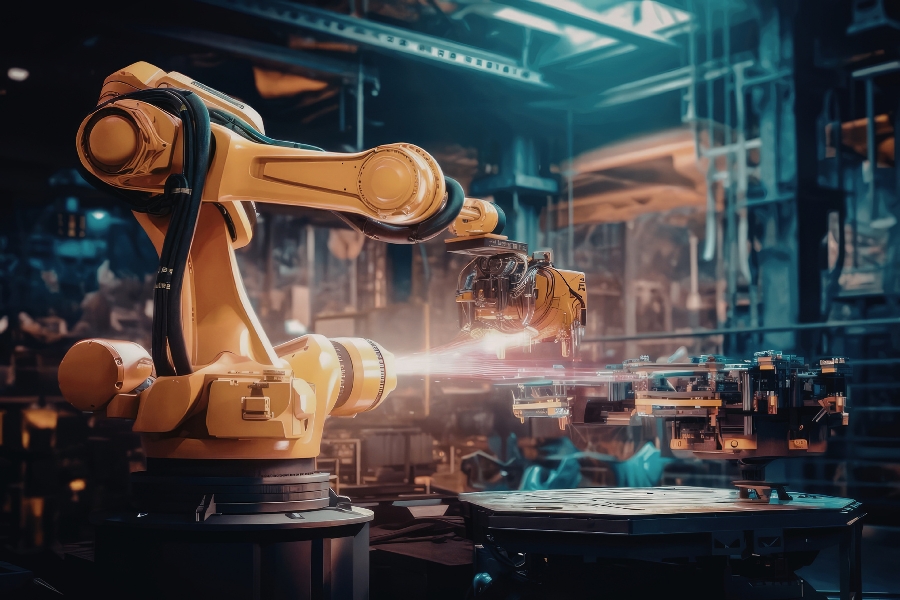
One of the key advantages of modern technology is its ability to integrate with existing equipment. Many facilities already use Stud welders, and AI-powered systems can enhance their performance without requiring complete replacement.
Smart upgrades allow businesses to:
- Improve efficiency of current setups
- Monitor performance in real time
- Extend equipment lifespan
This makes the transition to automation more practical and cost-effective.
Challenges in Adopting AI and Robotics
While the benefits are clear, adopting AI and robotics also comes with challenges. Initial investment costs and training requirements can be barriers for some businesses.
Other challenges include:
- Integration with older systems
- Need for skilled operators
- Ongoing maintenance of advanced equipment
Proper maintenance plays a key role in long-term performance. To learn more, read our guide:
Keeping Your Welding Equipment in Good Condition and Ready for Action
Future Trends in Stud Welding Technology
The future of welding will continue to evolve with smarter and more efficient systems. Innovations in AI and robotics will focus on improving user experience and reducing complexity.
Upcoming trends include:
- Fully automated welding systems
- Real-time data analytics for performance tracking
- Remote monitoring and control
- More compact and user-friendly machines
As AI in stud welding advances, businesses that adopt these technologies early will have a strong competitive advantage.
Why Choose Northland Fastening Systems for Advanced Welding Solutions
Northland Fastening Systems understands the importance of staying ahead in a rapidly evolving industry. With years of experience, the company provides reliable solutions that meet modern welding demands.
Their range of equipment and support services helps businesses transition smoothly into advanced systems. Whether you are upgrading your setup or exploring automation, Our team offers trusted expertise and quality products.
For guidance on the latest welding technologies and equipment, you can connect directly at (651) 730-7770. The team is committed to helping you find solutions that improve efficiency and long-term performance.
FAQs
Q1. What is AI in stud welding?
AI in stud welding refers to the use of intelligent systems that analyze data and adjust welding parameters automatically to improve accuracy and consistency.
Q2. How do robotics improve stud welding processes?
Robotics automate repetitive tasks, reduce human error, and increase production speed while maintaining high-quality welds.
Q3. Is AI in stud welding suitable for small businesses?
Yes, many modern solutions are scalable and can be integrated with existing equipment, making them suitable for both small workshops and large industries.