How Cold Weather Affects Stud Welding
Northland Fastening Systems provides fastening solutions for manufacturers that need reliable weld performance across different production environments. However, stud welding cold weather conditions can create additional challenges when temperatures drop.
Cold conditions can affect the base material, surface moisture, equipment performance, and welding environment. Therefore, manufacturers should take extra steps before they begin production during winter or in unheated facilities.
A low ambient temperature does not automatically prevent stud welding. However, it can change the conditions around the weld. As a result, manufacturers should control those conditions and follow suitable preparation practices.
With the right approach, teams can maintain consistent weld quality even when outdoor or facility temperatures fall significantly.
Why Temperature Matters During Stud Welding
Temperature affects how materials behave during welding. When the base material becomes very cold, it can respond differently to the heat generated during the welding cycle.
For example, cold metal may require more attention during surface preparation. Moisture can also collect on cold surfaces, especially when the material moves between warm and cold environments.
That moisture can introduce another problem. Water, condensation, oil, dirt, or other contaminants can interfere with the welding process.
Therefore, manufacturers should inspect the work surface before welding. A clean and dry surface gives the welding process a better foundation for producing a consistent connection.
Temperature can also affect equipment and consumables. Manufacturers should follow the equipment supplier’s operating recommendations and keep welding components within suitable storage conditions.
Moisture Creates a Major Cold-Weather Challenge
Condensation deserves particular attention during winter production. When cold metal enters a warmer environment, moisture can form on the surface.
If operators weld before removing that moisture, the surface may not provide suitable conditions for a reliable weld. Consequently, manufacturers should allow materials to reach an appropriate working condition before production.
Operators should also store studs and related Stud Welding Accessories in a clean, dry area. Proper storage can help prevent moisture and contamination from affecting the welding process.
Additionally, manufacturers should inspect materials after transportation. A shipment may encounter significant temperature changes before it reaches the production floor. Therefore, teams should not assume that recently delivered materials are ready for immediate welding.
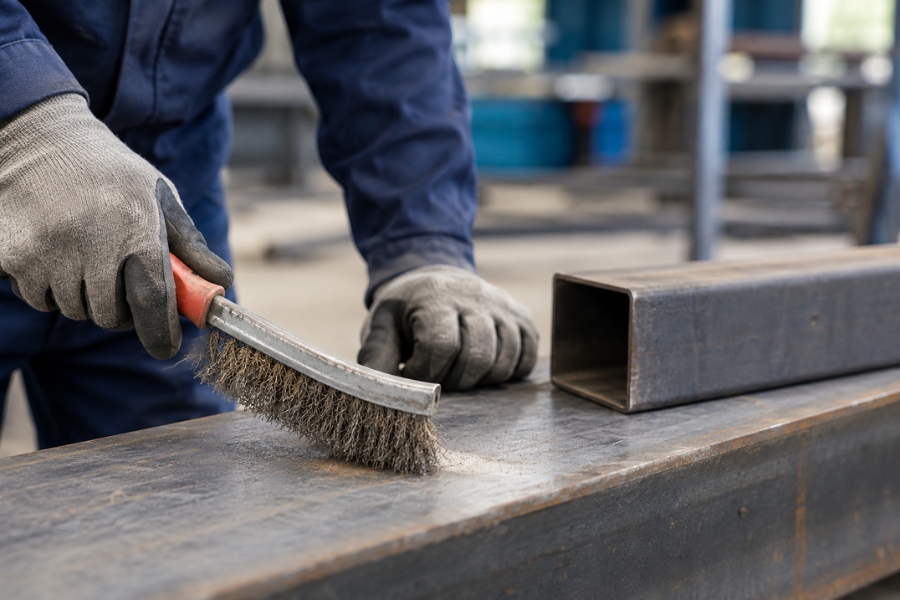
Prepare the Base Material Before Welding
Good surface preparation becomes even more important during cold conditions.
First, inspect the base material for condensation. If you find moisture, dry the surface before welding.
Next, remove oil, grease, dirt, rust, paint, or other contaminants that could interfere with the connection. Use a cleaning method that suits the material and follows the applicable production requirements.
Then, inspect the welding location. The surface should provide a suitable contact area for the selected fastener and welding process.
Finally, maintain consistent preparation across production runs. Consistency helps reduce variations between individual welds.
These steps may seem simple, but they can make a significant difference when temperature and environmental conditions become less predictable.
Control the Welding Environment
Manufacturers can reduce cold-weather problems by controlling the work environment whenever possible.
For example, an enclosed production area can provide more stable conditions than an exposed outdoor location. Heating the workspace can also help reduce condensation and temperature fluctuations.
However, manufacturers should avoid creating sudden temperature changes around the workpiece. A cold component placed directly beside a strong heat source may develop condensation as it warms.
Instead, allow materials to reach a stable working condition before welding. This approach gives operators better control over the surface and surrounding environment.
Moreover, manufacturers should monitor environmental conditions when they notice changes in weld quality. Temperature, humidity, material condition, and surface cleanliness can all provide useful clues when troubleshooting production issues.
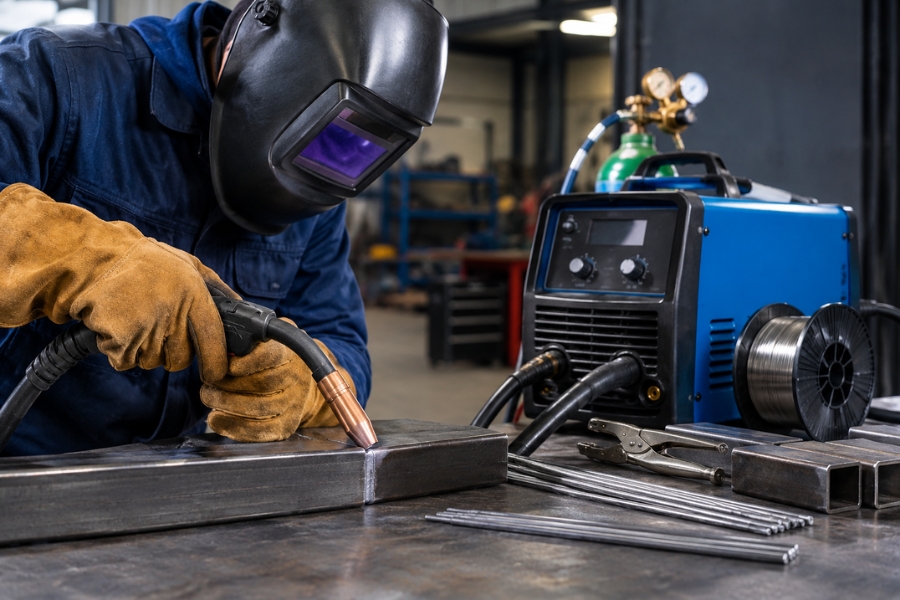
Choose the Right Welding Setup
Cold conditions do not change the basic need for suitable welding equipment and compatible fasteners. However, they make process control more important.
CD Studs can support applications that require a fast, localized welding cycle. When manufacturers use this approach, they should still follow the recommended equipment settings and material preparation requirements.
Operators should also verify that the welding equipment operates within its specified conditions. Cold storage or transportation can affect equipment components, cables, controls, and other parts.
Before production begins, inspect the equipment and confirm that it operates correctly. A short verification step can help prevent avoidable production interruptions.
Give Materials Time to Stabilize
Material temperature can vary significantly during winter. A component may spend hours in a cold truck before entering a heated facility.
Therefore, operators should allow the material to stabilize before welding when the temperature difference could create condensation or other surface problems.
The required stabilization period depends on the material, environment, storage conditions, and production setup. Manufacturers should follow their established procedures and equipment recommendations instead of relying on a single universal time.
Furthermore, teams should keep materials protected from unnecessary exposure to rain, snow, moisture, and outdoor air.
Watch for Changes in Weld Appearance
Visual inspection can help operators identify potential problems early.
Look for unusual weld appearance, inconsistent attachment, surface contamination, or other changes from an established production standard.
If a weld suddenly looks different after a temperature change, stop and investigate the conditions. Check the material surface, equipment settings, fastener storage, and surrounding environment.
Do not simply increase welding energy without identifying the cause. An unnecessary parameter change can create another problem or move the process outside its validated range.
Instead, troubleshoot systematically and document any adjustments.
Build Consistent Winter Welding Procedures
Northland Fastening Systems recommends treating cold-weather welding as a process-control issue rather than simply a temperature issue. Manufacturers should evaluate material storage, surface preparation, equipment condition, environmental conditions, and welding parameters together.
Teams can create a simple winter checklist that covers material inspection, condensation control, surface cleaning, equipment checks, and weld inspection.
This approach helps operators follow the same steps throughout the production shift. It also makes troubleshooting easier when environmental conditions change.
Furthermore, documented procedures help new operators understand the precautions they need to take during colder production periods.
Maintain Reliable Weld Quality in Cold Conditions
Stud Welding Processes require controlled conditions, and cold weather adds another variable that manufacturers should manage carefully. Proper preparation and consistent process control can help reduce winter-related issues. Keeping business information updated across your Google Business Profile and Facebook can also help customers find relevant welding products and solutions. Keep materials dry, inspect surfaces, protect components from moisture, verify equipment operation, and monitor changes in weld quality.
Cold weather does not have to stop production. By following validated welding procedures and equipment recommendations, manufacturers can maintain dependable performance while reducing avoidable quality problems. For guidance on stud welding requirements or cold-weather production concerns, contact the team at (651) 730-7770.
Frequently Asked Questions
1. Can cold weather affect stud welding quality?
Yes. Cold temperatures can affect material conditions, condensation, surface preparation, and equipment performance. Manufacturers should control these factors to maintain consistent weld quality.
2. Why does condensation matter during cold-weather welding?
Condensation can form when cold metal enters a warmer environment. Moisture on the welding surface can interfere with the welding process, so operators should dry and properly prepare the surface before welding.
3. Should I heat the base material before welding?
The appropriate approach depends on the material, welding process, equipment, and applicable procedures. Manufacturers should follow validated instructions rather than applying heat without confirming the correct method.
4. How should I store studs during winter?
Store studs in a clean, dry environment and protect them from moisture and temperature extremes. Proper storage helps maintain suitable material conditions before production.
5. What should I check if weld quality changes in cold weather?
Check the base material for moisture or contamination, review equipment condition and settings, inspect fastener storage conditions, and evaluate the surrounding temperature and humidity.